
Understanding the psychological triggers that drive casino gambling behavior
The Allure of Risk and Uncertainty
The thrill of risk and uncertainty is one of the primary psychological triggers that attract individuals to casinos. When people enter a gambling environment, they are often drawn to the adrenaline rush associated with high-stakes betting. This emotional high can create a sense of excitement that few other activities can match. Additionally, platforms like 4rabet offer various betting options, contributing to the unpredictability of outcomes, which leads to heightened anticipation and encourages players to engage repeatedly, hoping for that elusive win.
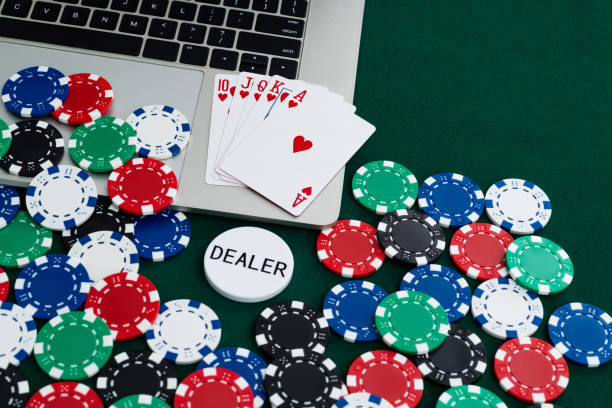
This sensation can become addictive, as the brain releases dopamine in response to gambling wins, reinforcing the behavior. The cycle of winning and losing creates a powerful feedback loop, where the prospect of winning again perpetuates further gambling. As players chase the high of a previous win, they become more willing to take greater risks, driving them deeper into the casino culture.
Moreover, the design of casinos amplifies these psychological triggers. Bright lights, loud sounds, and the constant buzz of excitement create an immersive environment that blurs the lines between reality and fantasy. This sensory overload can distort a player’s perception of risk, making it easier for them to overlook potential losses and focus solely on the thrill of the game.
The Role of Social Influences
Social interactions play a significant role in casino gambling behavior. Many people view gambling as a social activity, where the presence of friends or fellow gamblers can enhance their experience. The camaraderie developed in these environments can create a sense of belonging and community, which is particularly appealing to individuals seeking connection. Sharing wins and losses with others can amplify emotional responses, making the experience even more engaging.
Additionally, the influence of social norms surrounding gambling cannot be understated. In many cultures, gambling is seen as a rite of passage or a popular pastime, often glamorized in movies and media. This societal acceptance can lead individuals to underestimate the risks associated with gambling. They may believe that their peers are having a positive experience, leading them to participate in hopes of mirroring that success.
Furthermore, peer pressure can drive individuals to gamble beyond their means. If friends encourage risky behaviors, a person may feel compelled to join in, disregarding their personal limits. This social dynamic not only fuels gambling behavior but can also lead to significant financial and emotional consequences if left unchecked.
Cognitive Distortions and Superstitions
Cognitive distortions are another psychological trigger that can significantly impact gambling behavior. Many gamblers fall prey to the illusion of control, believing they can influence the outcome of a game, such as blackjack or poker, through skill or strategy. This belief can encourage them to engage more frequently, reinforcing the idea that they have some say in the outcome, despite the inherent randomness of these games.
Superstitions also play a crucial role in gambling behavior. Players often develop rituals or routines that they believe can influence their luck. For instance, they might wear lucky clothing or follow specific patterns when placing bets. Such behaviors can provide a sense of comfort and control, even in situations governed by chance, thereby reinforcing the cycle of gambling.
Moreover, confirmation bias allows gamblers to focus on their wins while disregarding losses. This cognitive distortion can create a skewed perception of their success, leading them to believe that they are more skilled than they truly are. As a result, they may continue to gamble, convinced that they will eventually recoup their losses, which can lead to harmful financial consequences.
Emotional States and Gambling Behavior
Emotional states significantly influence gambling behavior, as many individuals turn to casinos as a form of escapism. Stress, anxiety, and depression can drive people to seek out the thrill of gambling to temporarily alleviate their emotional pain. The anticipation of a potential win provides a distraction from life’s challenges, creating an almost addictive cycle where gambling becomes a coping mechanism.
When experiencing negative emotions, gamblers may find themselves more likely to engage in risky behavior, wagering larger amounts in hopes of a significant win. This heightened state of emotion can cloud judgment, leading to impulsive decisions that they may later regret. The casino environment, with its instant gratification and immediate rewards, can further exacerbate these tendencies, making it easier for individuals to lose track of time and money.
Conversely, positive emotional states can also impact gambling behavior. Individuals celebrating achievements or joyous occasions may view gambling as a fun activity to enhance their experience. This can lead to overspending or engaging in games with higher stakes than they normally would. Understanding the influence of emotional states on gambling behavior is essential for recognizing when it may be time to seek help or reassess one’s gaming habits.

Exploring Responsible Gaming and Support Resources
As awareness of the psychological triggers that drive gambling behavior increases, many organizations and casinos are taking steps toward promoting responsible gaming. These initiatives focus on educating players about the potential risks associated with gambling and encouraging them to set limits on their time and spending. Understanding the psychological factors at play is essential for gamblers to recognize when their behaviors may be leading them down a harmful path.
Support resources are readily available for individuals struggling with gambling-related issues. Hotlines, counseling services, and support groups can provide the necessary assistance to help individuals regain control over their gambling habits. Many casinos also offer programs designed to help players identify problematic behavior and provide strategies for responsible gaming.
Ultimately, recognizing the psychological triggers driving gambling behavior is vital for fostering healthier gaming practices. By promoting awareness and providing resources, the industry can help mitigate the risks associated with gambling while ensuring that players have a positive and enjoyable experience.